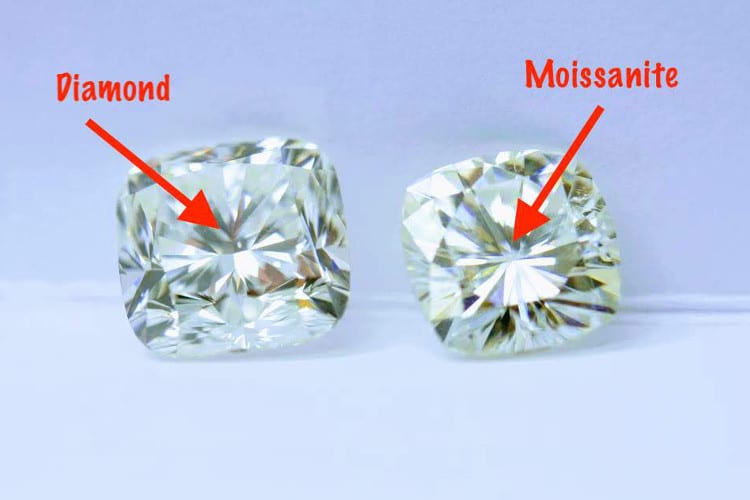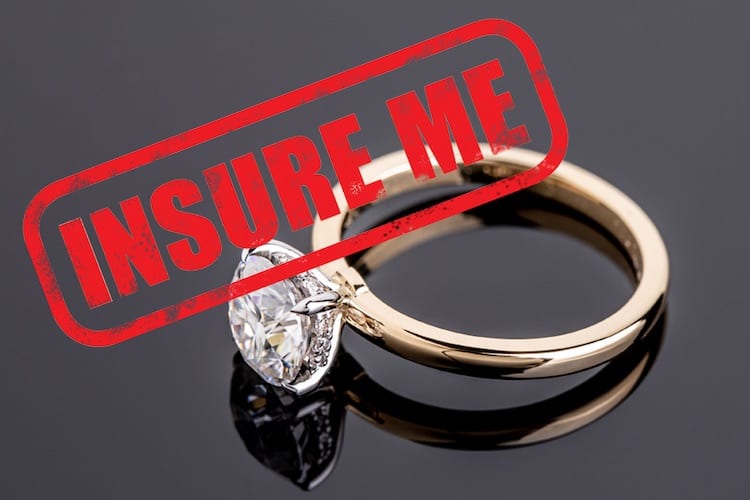


Maybe you’ve heard of diamond swapping, maybe not. It goes like this: you drop your diamond off for some minor work, say prong tightening. The diamond is returned and you go on your merry way. Years later you take it to a different jeweler to have some work done. That jeweler uses a diamond tester before taking it in and informs you that your “diamond”… is not.
Can this really happen? It’s possible—it’s not just an urban legend—but unlikely. In most cases like this it actually turns out that either the husband or wife sold off the original diamond to support a gambling or drug habit. Isn’t marriage grand? Nonetheless, for your own piece of mind, you should be very selective where you take your diamond for servicing and maintenance. Here’s our advice for sizing and post-purchase interactions with jewelers.
Rule 1
Get It in Writing
If you’re dropping jewelry off—grandma’s old diamond that you want to have set, say—have the jeweler assure you (in writing) that the jewelry will never leave the premises.
Rule 2
Thoroughly Analyze the Repair Receipt
You know how when you rent a car, you first check for dents and scratches? Same goes for diamonds. Make sure you have a repair receipt that lists the carat, cut, color, clarity that represents your diamond. Be sure that you agree with this assessment.
Rule 3
Minimize the Time Your Diamond Is out of Sight
If the jeweler is ordering parts for your job (mounting, etc.) keep your diamond as long as you can, and only bring it in when the parts arrive in order to minimize the length of time your diamond is out of your sight. If possible, make an appointment to have your jewelry worked on and wait onsite while the work is being completed.
Rule 4
Have Your Diamond Laser-Inscribed by GIA
The jeweler will have to show you the unique identification number under magnification on the diamond upon returning it to you. Click here for more.
Rule 5
Bring Your Grading Report
If your diamond has a grading report with a plot that displays the diamond’s inclusions under magnification, bring a COPY of the report. Ask the jeweler to sign that it represents your diamond, and when the work is completed, ask them to show you the identifying inclusions.
Rule 6
Splurge for Diamond Insurance
Nope, your home owner’s insurance probably doesn’t cover your ring automatically. Click here for the rundown on diamond insurance. And ensure that your policy will cover you if the diamond is broken, lost, or stolen while with the jeweler.
Rule 7
Watch for Red Flags
If a jeweler has issues with any of the points above, it’s a great indication that you should not leave your diamond with them.